
Leading Tools For Concrete Cuttings For Professional Results
Select from industry-leading products designed to handle tough concrete surfaces with ease and deliver clean, precise cuts.
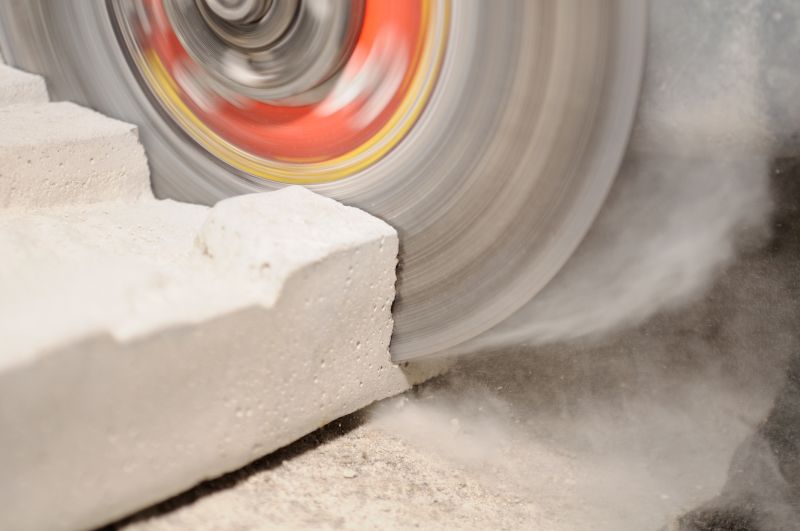 When undertaking concrete cutting projects, selecting the appropriate tools and equipment is essential for achieving precise and efficient results. Concrete cutting involves various techniques, including sawing, drilling, and grinding, each requiring specialized products designed to handle the hardness and density of concrete materials. From handheld tools to large industrial machines, the right products can make a significant difference in safety, accuracy, and overall project success.
Top Overall Option
Diamond Blade for Concrete Cutting
A versatile diamond blade designed for use with angle grinders and cut-off saws, suitable for a wide range of concrete cutting tasks. Its diamond segments provide consistent performance and durability, enabling precise cuts in various concrete surfaces. When paired with compatible power tools, it can handle both small repairs and larger projects effectively.
Types of Products For Concrete Cuttings
Handheld Concrete Saws
Portable saws ideal for small to medium cuts, perfect for DIY projects and localized repairs.
Walk-Behind Saws
Larger, more powerful saws suitable for cutting through concrete slabs and pavements in construction sites.
Wall Saws
Specialized saws designed for vertical cuts in concrete walls and structures, often used in demolition or renovation projects.
Core Drills
Tools used to drill large, precise holes in concrete for plumbing, electrical, or structural purposes.
Handheld Drills with Masonry Bits
Suitable for smaller holes and light drilling tasks in concrete surfaces, offering portability and ease of use.
Diamond Blades
Cutting discs with diamond segments, compatible with various power tools for efficient concrete cutting.
Cutting Discs
Abrasive discs designed for use with angle grinders to make straight cuts in concrete and masonry materials.
Grinding Wheels
Tools for smoothing and finishing concrete surfaces after cutting or drilling.
Vacuum Attachments
Accessories that connect to power tools to minimize dust during cutting and drilling operations.
Wet Cutting Attachments
Accessories that allow for water-assisted cutting, reducing dust and heat during operation.
Dust Suppression Systems
Equipment designed to control dust emissions during concrete cutting tasks, improving safety and cleanliness.
Extension Cords and Power Supplies
Reliable power sources and extensions necessary for operating electric concrete cutting tools in various locations.
Popular Choices
Compact and easy to maneuver, suitable for small-scale cutting tasks and repairs.
Portable and powerful, ideal for outdoor or remote job sites where electricity may not be available.
Complete sets that include various sizes of core bits, useful for drilling multiple hole sizes in concrete.
Versatile tools for cutting and grinding, suitable for various concrete and masonry projects.
Heavy-duty saws equipped with water systems to cool blades and reduce dust during large cuts.
Durable discs designed for aggressive cutting in tough concrete materials.
Tools with vibration control features to improve comfort during prolonged use.
Compact systems that connect to power tools to capture dust at the source, improving site cleanliness.
Powerful, hydraulic-driven saws suitable for large-scale demolition and cutting tasks.
A variety of blades, bits, and attachments designed to enhance the performance of existing tools.
Protective equipment including goggles, ear protection, and dust masks to ensure safety during work.
Understanding the different types of products available can help users choose solutions tailored to their specific needs. For smaller repairs or DIY projects, handheld saws and core drills offer portability and ease of use. Larger construction or renovation projects may necessitate walk-behind saws or wall saws that provide greater power and cutting capacity. Accessories such as diamond blades and cutting discs are critical components that determine the quality and efficiency of cuts, making their selection equally important.
Safety considerations should always be a priority when working with concrete cutting equipment. Proper protective gear, including eye protection, ear protection, and dust masks, is essential to prevent injury. Additionally, choosing products with safety features like vibration control or dust suppression can help reduce health risks and improve comfort during extended use. Maintenance and compatibility are also key factors to ensure the longevity and optimal performance of your tools.
Ultimately, selecting the right products for concrete cutting depends on the scope of your project, the type of cuts required, and your experience level. Whether you are performing small repairs or large-scale renovations, understanding the range of available products and their features can help you make informed decisions and complete your work efficiently and safely.
Key Buying Considerations
- Type of concrete material and thickness to determine the appropriate cutting tool.
- Project scale and whether portable or stationary equipment is needed.
- Power source availability, such as electric, gas, or hydraulic options.
- Blade or disc compatibility with existing tools and the specific cutting task.
- Cutting precision required for the project, influencing blade and tool choice.
- Dust management features to improve safety and cleanliness.
- Vibration control and ergonomic design for user comfort during extended use.
- Safety features like blade guards and automatic shutoff mechanisms.
- Ease of maintenance and availability of replacement parts.
- Budget constraints balanced with the durability and performance of the product.
- Availability of accessories such as water feeds or dust extraction systems.
- Compatibility with existing power sources and extension cords.
- Weight and portability for ease of handling and transportation.
- Noise levels and vibration impact on user comfort and safety.
- Brand reputation and user reviews for insights into product reliability.